


 Deutsch
 English
 Español
 Français
 Nederlands
 Português


 Share
Share




Missing Aid Sailboats Found Safe: Cuba Humanitarian Crisis Explained
Two humanitarian aid sailboats that went missing while transporting critical supplies from Mexico to Cuba have been safely located by the Mexican navy, with all nine crew members confirmed unharmed. The vessels, named Friend Ship and Tiger Moth, were part of the Nuestra América Convoy delivering food, medicine, and essential supplies to Cuba amid what the World Health Organization calls a "very worrying" humanitarian crisis on the island nation.
What Happened to the Missing Sailboats?
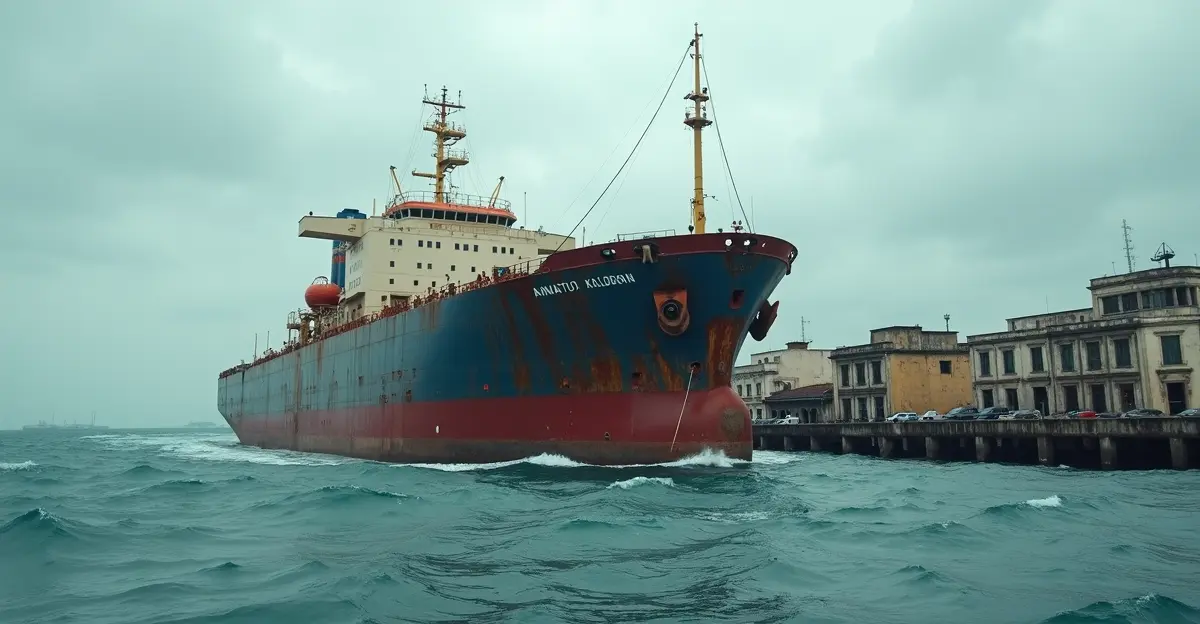
The two sailboats departed from Isla Mujeres, Mexico on March 20, 2026, and were scheduled to arrive in Havana between March 24-25. When contact was lost with the vessels, the Mexican navy launched a comprehensive search operation on March 27. The ships were eventually located approximately 80 nautical miles northwest of Havana by Mexican naval aircraft and escorted safely into Havana Bay.
"The delay was caused by difficult weather conditions requiring a longer route, but the crew was never in serious danger," said convoy coordinator Adnaan Stumo in a statement to Reuters. The crew members hailed from Poland, France, Cuba, and the United States, representing the international nature of the aid effort.
The Nuestra América Convoy: Grassroots Aid to Cuba
The Nuestra América Convoy represents a remarkable grassroots initiative involving nearly 300 organizations from more than thirty countries. This international coalition has already delivered approximately 20 tons of humanitarian aid to Cuba through both air and sea routes. The supplies include:
- Food and nutritional supplements
- Essential medicines and medical supplies
- Solar panels for alternative energy
- Bicycles for transportation
- Water purification systems
The convoy operates independently of government channels, inspired by similar humanitarian efforts like the Sumud Global Flotilla to Gaza. This approach allows for direct citizen-to-citizen aid delivery, bypassing political barriers that often complicate official humanitarian assistance.
Why Cuba Needs Humanitarian Aid
Cuba is experiencing its worst economic crisis in decades, stemming from a severe fuel shortage that began in January 2026 when the United States implemented an effective oil blockade against the island nation. The US-Cuba relations have reached their lowest point in years, with the Trump administration openly calling for regime change in Havana.
The consequences of this blockade have been devastating:
| Impact Area | Current Situation |
|---|---|
| Electricity | Nationwide blackouts affecting 10+ million people |
| Food Supply | Severe shortages, crops rotting in fields |
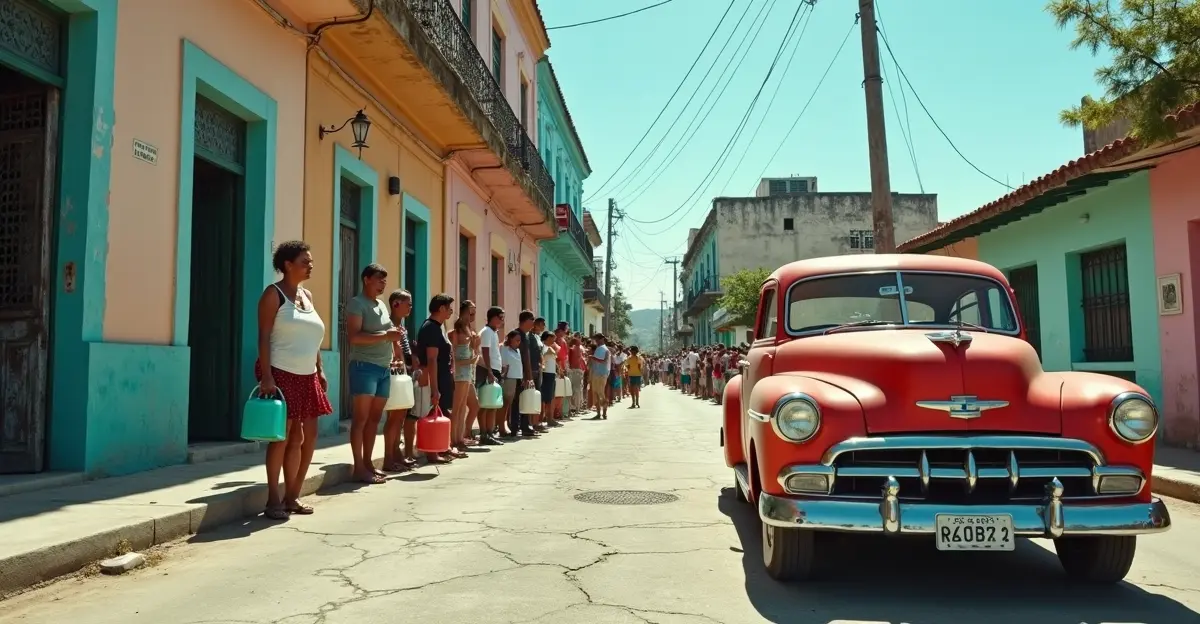
| Water Systems | Residents searching with jerrycans for water |
| Healthcare | Limited hospital services, surgeries postponed |
| Transportation | Public transport severely reduced |
According to the United Nations Human Rights Office, the blockade has threatened Cuba's food sovereignty and disrupted essential services throughout the country. The situation has become so dire that the UN warns Cuba could potentially "collapse" without immediate international assistance.
Geopolitical Context: The 2026 Cuban Crisis
The current humanitarian situation in Cuba is part of what's being called the 2026 Cuban Crisis, which began on January 3, 2026, when the United States started blocking oil tankers heading to Cuba. This represents the first effective blockade of Cuba since the Cuban Missile Crisis of 1962.
The crisis stems from several key factors:
- The collapse of Venezuelan support (previously 70,000 barrels daily)
- US pressure on Mexico's Pemex to stop oil exports to Cuba
- Executive Order 14380 imposing tariffs on countries supplying oil to Cuba
- Broader geopolitical tensions in the region
Cuban President Miguel Díaz-Canel confirmed on March 13, 2026, that his government was engaged in diplomatic talks with the United States to address the crisis, marking a significant development in the US foreign policy toward the island.
Impact and Implications
The successful arrival of the Nuestra América Convoy's sailboats represents more than just a safe maritime journey—it symbolizes international solidarity with the Cuban people during their most challenging period in recent history. The convoy's efforts demonstrate that grassroots humanitarian initiatives can operate effectively even amid complex geopolitical tensions.
However, the broader implications are sobering. The World Health Organization has expressed deep concern about Cuba's deteriorating health infrastructure, while the UN continues to facilitate humanitarian oil deliveries to prevent complete collapse. The situation has sparked rare public protests in Havana and other cities, with residents banging pots and lighting bonfires to express their frustration.
The successful aid delivery also highlights the critical role of international maritime law in humanitarian operations, particularly when political tensions complicate official assistance channels.
Frequently Asked Questions
What were the missing sailboats carrying?
The Friend Ship and Tiger Moth were transporting approximately 20 tons of humanitarian aid including food, medicine, solar panels, and bicycles to Cuba.
Why is Cuba experiencing a humanitarian crisis?
Cuba faces severe fuel shortages due to a US oil blockade implemented in January 2026, leading to nationwide blackouts, food scarcity, and healthcare disruptions.
Who organized the Nuestra América Convoy?
The convoy involves nearly 300 organizations from over 30 countries, operating as a grassroots citizen initiative independent of government channels.
How many crew members were on the missing sailboats?
There were nine crew members from Poland, France, Cuba, and the United States, all of whom were confirmed safe.
What is the current US-Cuba relationship status?
Relations are at their lowest point in years, with the US implementing an effective oil blockade and openly calling for regime change in Havana.




Follow Discussion